News

OPINION: The Sun has questions to answer

11/07/2023

Nathan Sparkes and Alice Watkins

Newspaper
✕ Press claim

✓ The truth

Reach
Up to
people misled
Help us fight back

Join 71,384 others who are taking action to share the truth & raise standards in the press
1. Share the truth
Post this rebuttal on social media
2. Fund the fightback
Help us challenge more stories like this
Donate
3. Tell your MP
Send a ready-written email in 30 seconds
Email your MP

by Nathan Sparkes and Alice Watkins After a weekend of frontpage stories in The Sun newspaper, which accused a high profile BBC presenter of exchanging payment for pornographic images from an adult, a lawyer representing the person in question has now come forward to denounce the stories. The Sun first reported allegations on Friday that a BBC presenter had paid a teenager for sexually explicit photos. But a lawyer representing the young person who sold the images told the BBC that "nothing inappropriate or unlawful" took place. The statement also asserted that the young person had sent a denial to The Sun, before it published the claims.

The Sun has questions to answer

Before these details came to light, The Sun called for an investigation in the BBC and claimed the broadcaster had “nine questions to answer”.

Now we know more about The Sun’s conduct, it has become clear they have questions of their own to answer:

  • Did The Sun pursue the story in an ethical way, which balanced the privacy of the individuals involved against the public interest in disclosure?
  • What is the public interest in disclosure, in the circumstances of the practice of an individual privately paying for access to pornographic content, from an adult, which is not illegal?
  • Did they ask the young person, alleged to have sold images, what their view was on the decision to publish?
  • If, as has been alleged, the young person objected to publication, why did The Sun not take this into account or, at the very least, refer to it in its coverage?
  • What were the circumstances of how The Sun came to acquire the story?
  • If this story is proved to be false or without a public interest justification, will The Sun commit to apologising to the individuals involved, and the BBC corporately?
  • If the story is proved to be without public interest justification, will it join the independent press regulator IMPRESS and submit itself to an investigation?
  • How long has The Sun been following this story, and what correspondence has it had with the individuals involved over the course of that period?
  • Which editors and executives signed off on this story?

If Sun journalists and editors covering the story did stray from their own set of editorial standards, or they failed to consider the ethical consequences of publication, this would prove once again that, at The Sun, nothing has changed since the Leveson Inquiry.

It has the appearance of a story driven by an anti-BBC agenda, rather than the public interest. In pursuit of this agenda, they have seemingly launched into reckless publication without clarifying or setting out the full facts.

That most newspapers, including The Sun, are not independently regulated means they can publish almost anything without accountability.

The Sun must come clean on how it came to publish this story. A tough, robust regulator would be encouraging the newspaper to do so.

Hacked Off is funded by supporters, not newspaper owners. Help us take this to Parliament: give £10 a month.

Give £10 a month

Download the full report:

Download report

Queries: campaign@hackinginquiry.org

related Posts

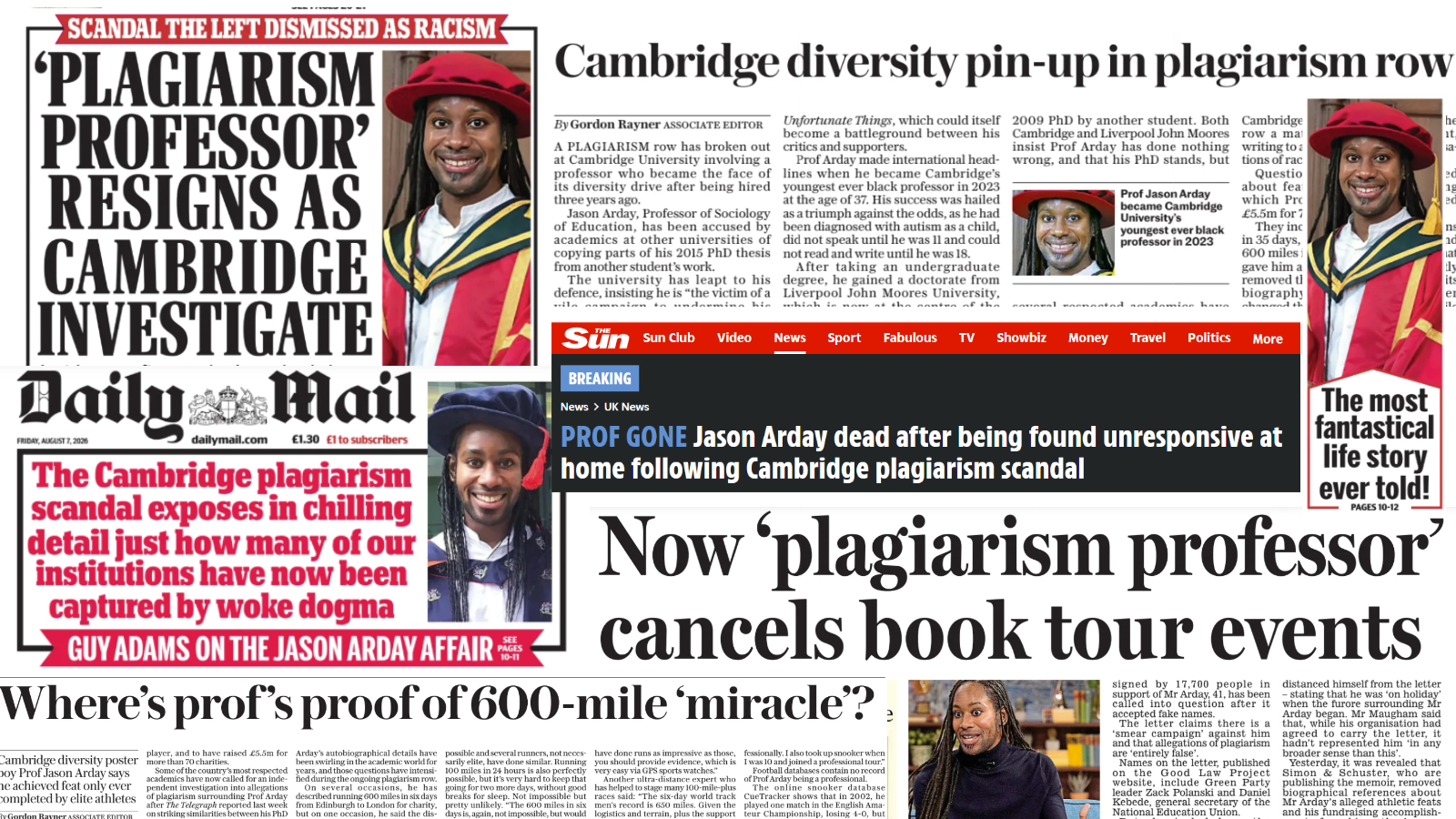
Coverage of Professor Arday was not legitimate: the letter The Times refused to publish
Guest blog: Professor Paul Wragg replies to the letter published in The Times on 25 August defending the press coverage of Professor Jason Arday. The Times declined to publish his reply. We publish it here in full.
8/28/26
News
Defensive, evasive & hypocritical: The press reaction to the death of Jason Arday
The reaction of national newspapers to the death of Professor Jason Arday has exposed a brittle defensiveness at the heart of the press, and a determination to remain outside any meaningful accountability.
8/26/26
News
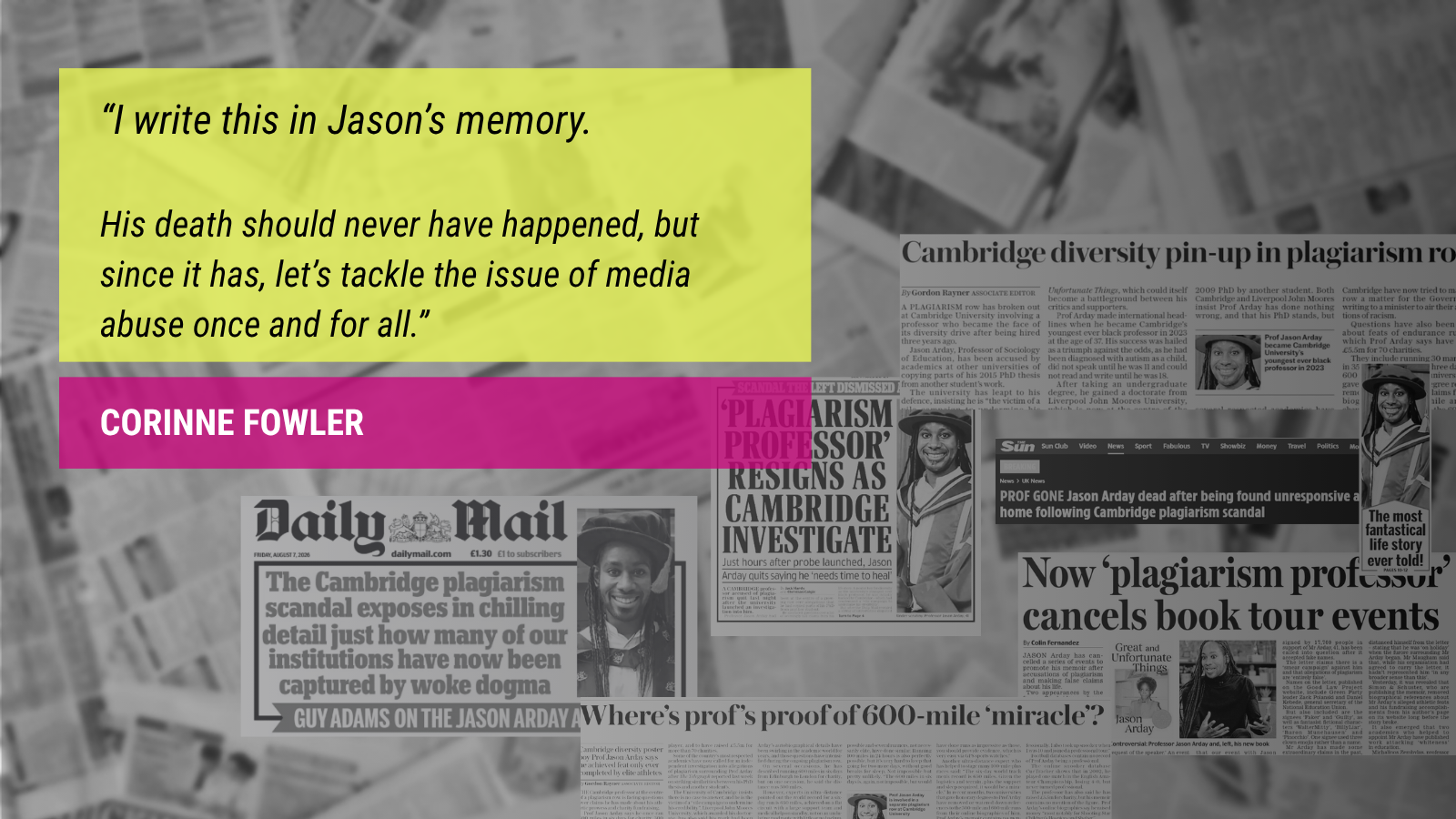
When media abuse of academics becomes the norm in HE
Following the death of Jason Arday, Corinne Fowler writes on the toll of media abuse on academics and what universities must do to protect their staff.
8/19/26
News
IPSO ties itself in knots over Telegraph complaint
Media lawyer Jonathan Coad complained to IPSO about a Telegraph article claiming Hacked Off wants "state control" of the press. IPSO's response contradicted itself within the space of a few paragraphs.
8/14/26
News