

.png)

.png)

.png)


12/08/2026
Nathan Sparkes
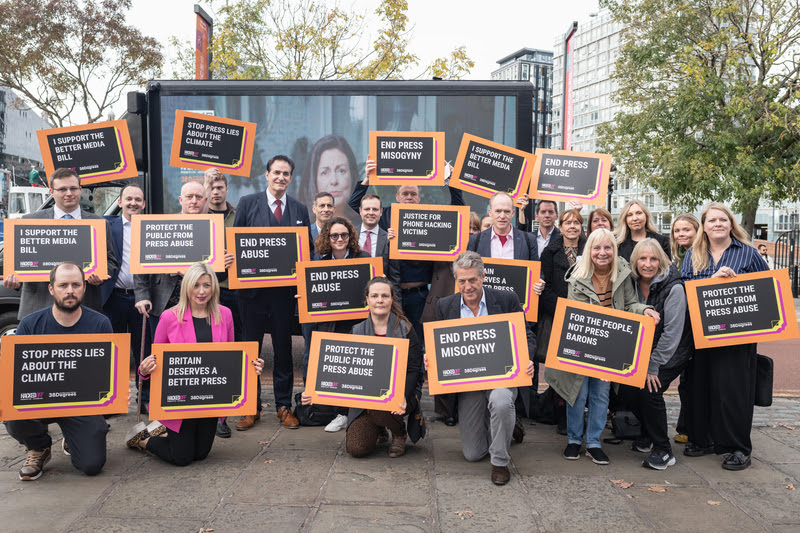
In August 2026 the Guardian published an interview with the singer Tulisa Contostavlos, who has bravely launched her own campaign to challenge failures of standards and regulation in the press. The interview discussed the campaign for independent press regulation, and the work of Hacked Off. Our Chief Executive, Nathan Sparkes, wrote to the paper to correct several inaccurate claims in the piece made by the Guardian. The Guardian did not publish this letter, so we are publishing it here in full. The original interview is available on the Guardian’s website.
Dear editor,
An interview with Tulisa Contostavlos (“‘This isn’t some vendetta’ – Tulisa Contostavlos on taking on the tabloids, sex tapes and shame”) comments on the campaign for independent regulation of the press and specifically the work of Hacked Off, where I am CEO.
The article suggests that Hacked Off support a “government-backed” model of press regulation, as an alternative to the press-controlled model adopted by most national newspapers, “IPSO”.
This couldn’t be further from the truth. The Leveson model of independent regulation we support bans politicians from any role in the regulator. In contrast, the national press’s own body “IPSO” welcomes politicians onto its boards and committees, and was until recently led by a Conservative peer.
The article also claims that “no major media organisation” had joined an independent regulator, of the kind backed by Tulisa and Hacked Off. This is unfair: Byline Times, Open Democracy, Prospect and over 200 other highly regarded outlets focusing on investigative, ethical and local journalism are signed up to Impress, the only independent press regulator. Although, it is true that none of the largest “traditional” newspaper titles have signed up.
The interviewer queries the relevance of press regulation in the age of social media. The rise of social media is neither here nor there: the total reach of the press has grown extensively over the last 20 years online and on mobile apps, and more people read newspaper content today than ever before. Most publishers are also prolific posters on social media platforms, where for many people they are the main source of social media news.
Every day, people are misled by disinformation in certain newspapers about immigration, climate change and welfare. Every week, there are people whose lives are destroyed by media libels. And most egregiously, some publishers continue to subject ordinary, innocent people to appalling intrusions after a bereavement.
The interviewer comments, “it remains to be seen where the press reform movement goes now”. The answer is that Hacked Off, Tulisa and over 70% of the public agree that all newspapers should join an independent regulator, and we will continue to make the case for politicians to stand up to the power of the press and finally act in the public interest on this issue by ensuring all national newspapers are independently regulated.
Yours,
Nathan Sparkes
CEO, Hacked Off
Hacked Off is funded by supporters, not newspaper owners. Help us take this to Parliament: give £10 a month.
Give £10 a monthBy submitting your details you agree to receive email updates about the campaign. We will always keep your data safe and you may unsubscribe at any time.
.png)

.png)