

.png)

.png)

.png)
Press abuse destroys lives, distorts the truth, and ruins reputations.
This growing selection represents just a fraction of thousands of individuals and families targeted by press wrongdoing.
Whether by unlawful phone hacking, relentless intrusion or devastating smear campaigns - these examples highlight the recurring harms of a UK press that has the power to destroy lives and livelihoods, and a regulatory system which fails to hold them to account.
Many people here have gone on to become campaigners demanding a better press.
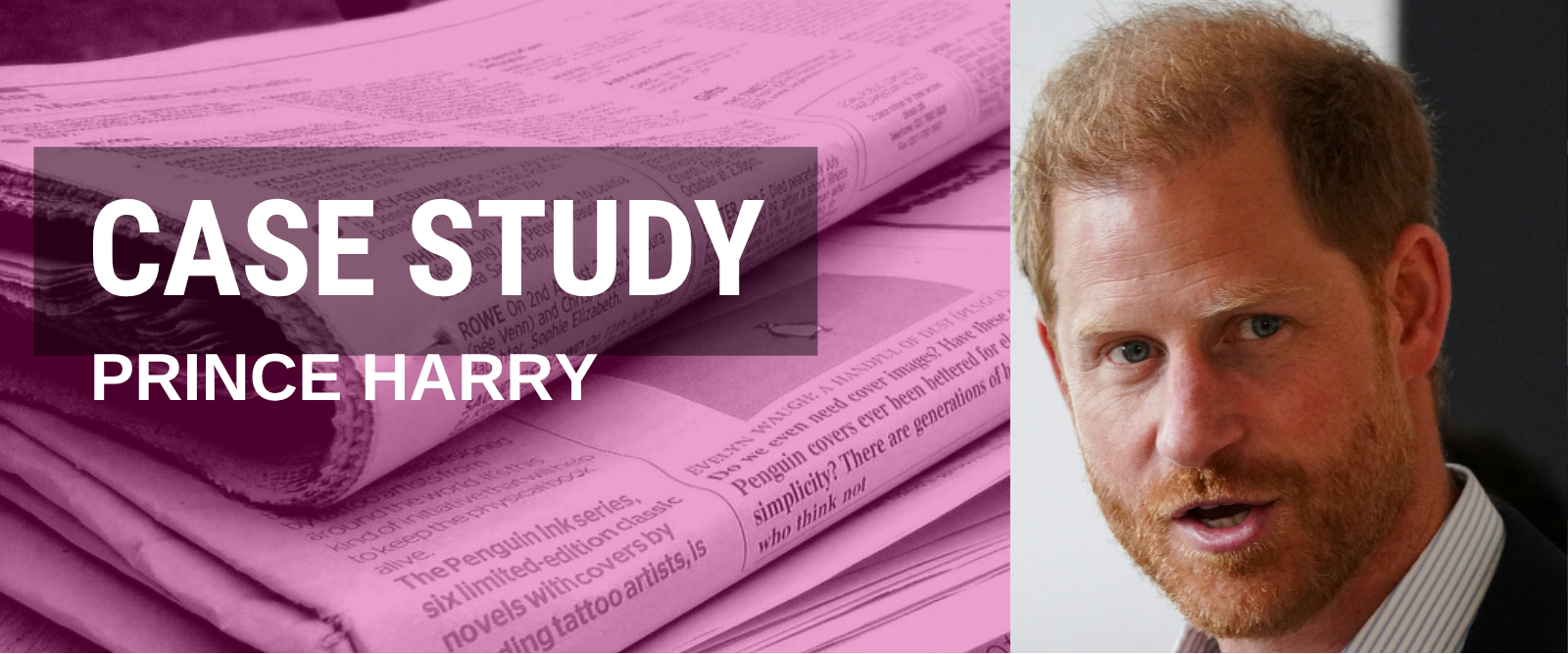
Repeated instances of press intrusion on Prince Harry and Meghan Markle highlight continuing failures in accountability and raise the need for reform.
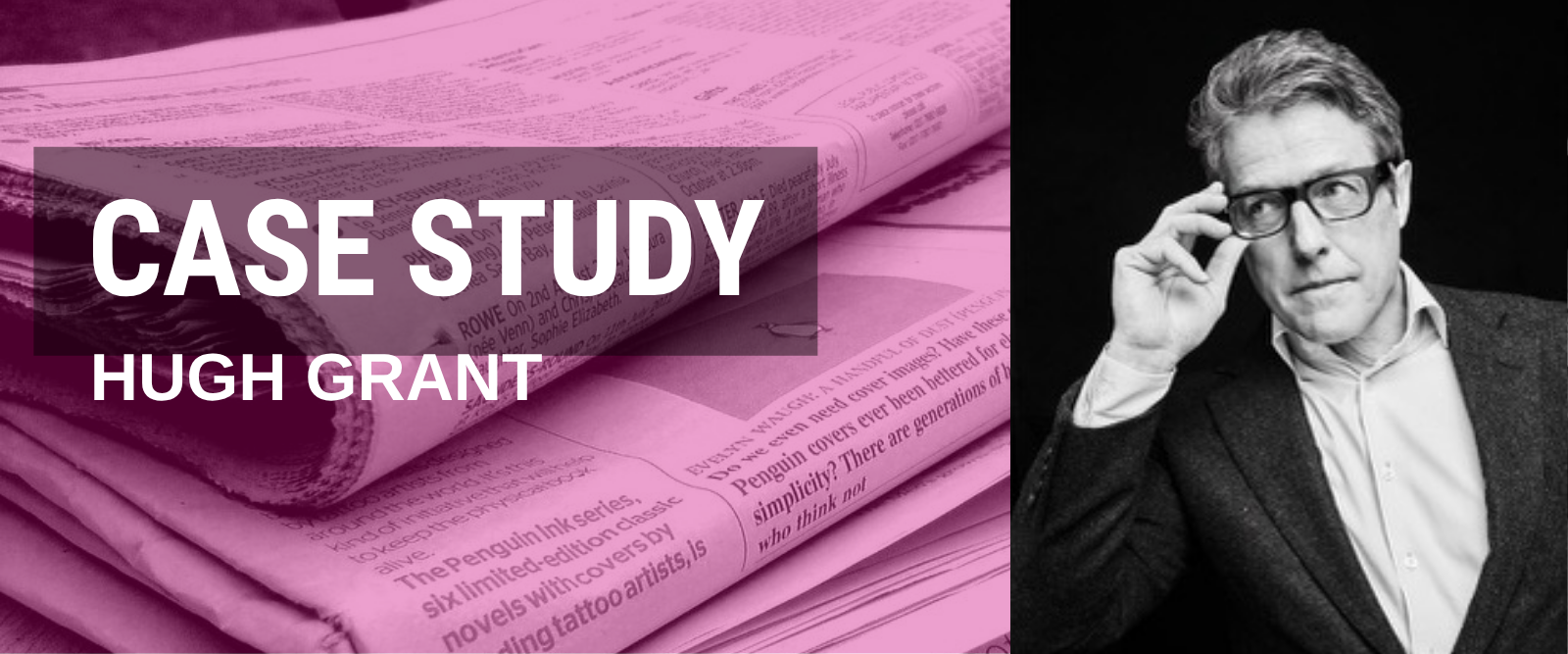
Hugh Grant's discovery of journalists hacking his phone is representative of a broader issue which affects families, victims of crimes and many others.

In the aftermath of the Hillsborough disaster, false narratives by the press persisted, raising issues of accountability and how it shapes public understanding.
Press intrusion on the McCann family after the disappearance of their daughter, Madeleine, shows how press abuse can affect ordinary individuals and families.
An investigation into the disappearance of Milly Dowler revealed journalists hacked her phone, concerning press ethics and unhealthy relations with the police.
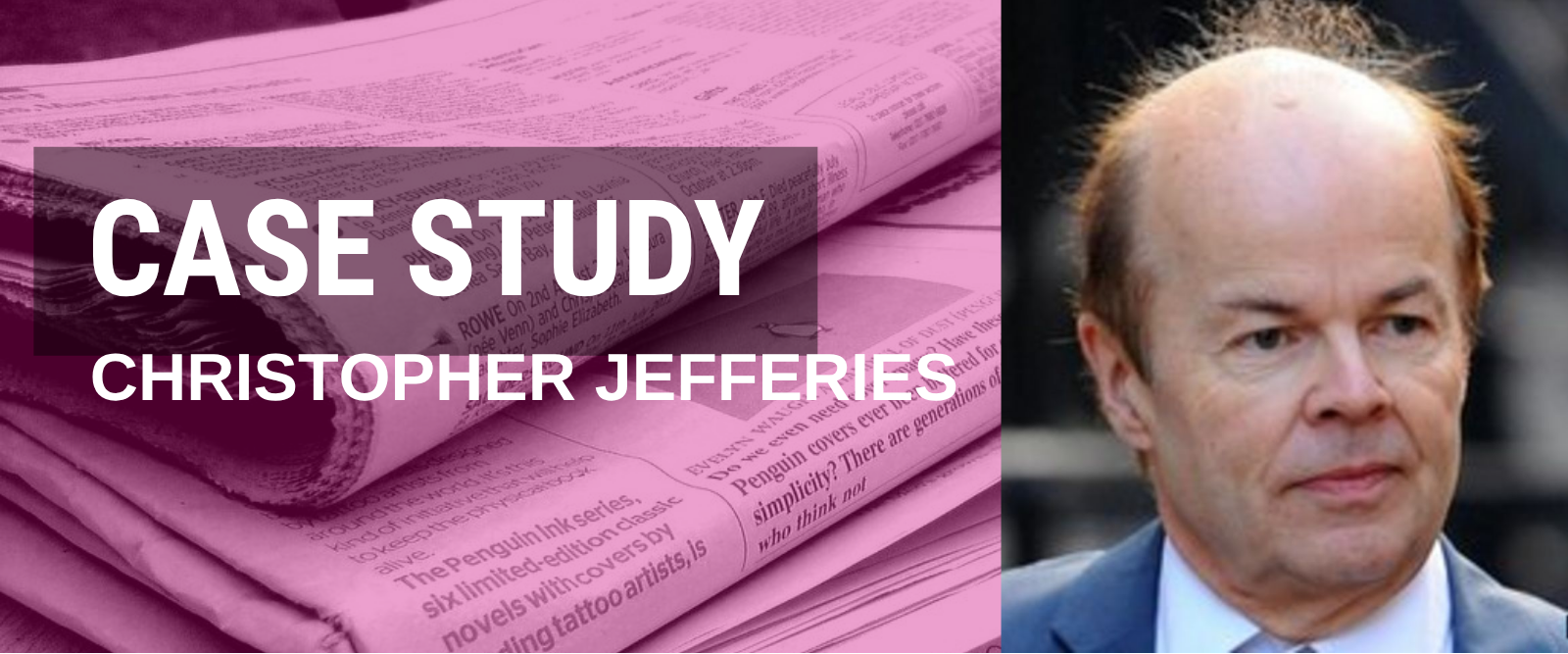
Christopher Jefferies was falsely accused by newspapers connecting him to a 2010 murder, showing how anyone can be a victim of press abuse.
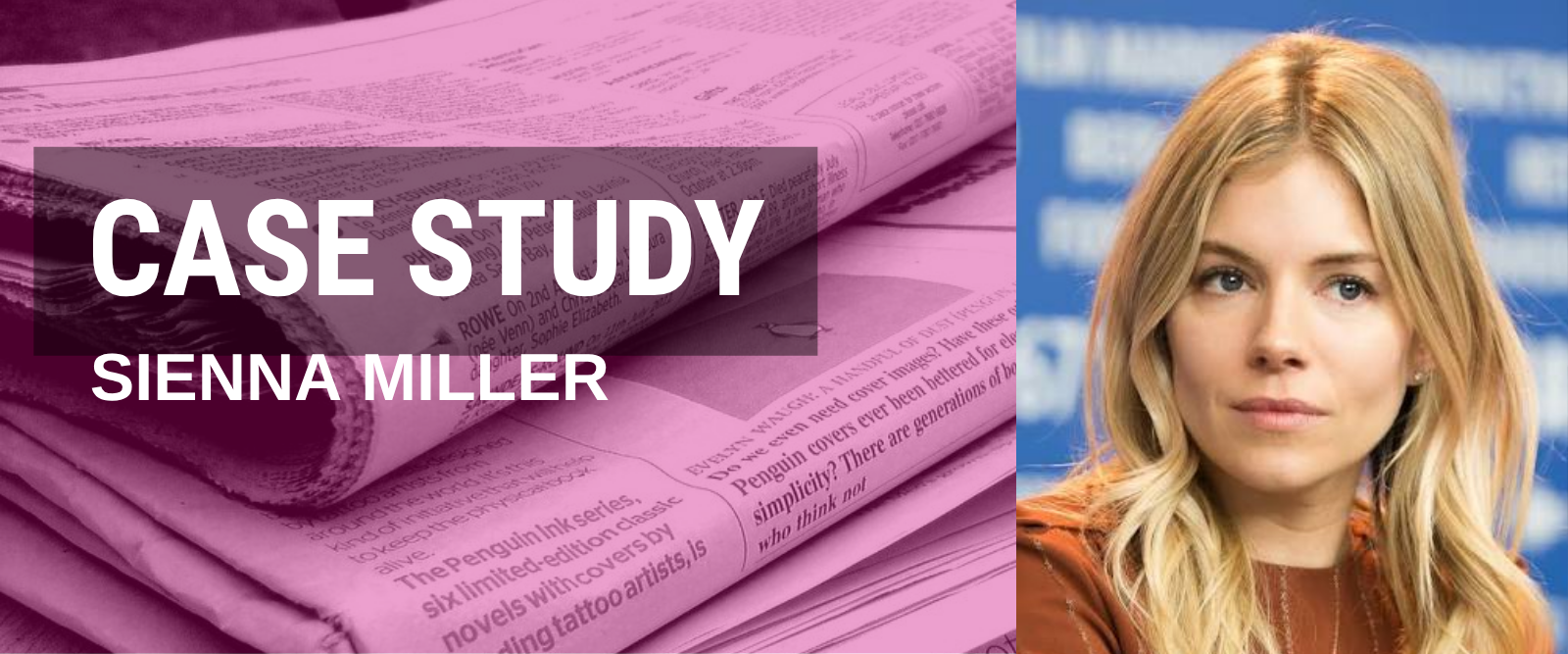
Actor Sienna Miller's phone was hacked by journalists, which illuminated how this practice was routine in some newsrooms and not an isolated incident.
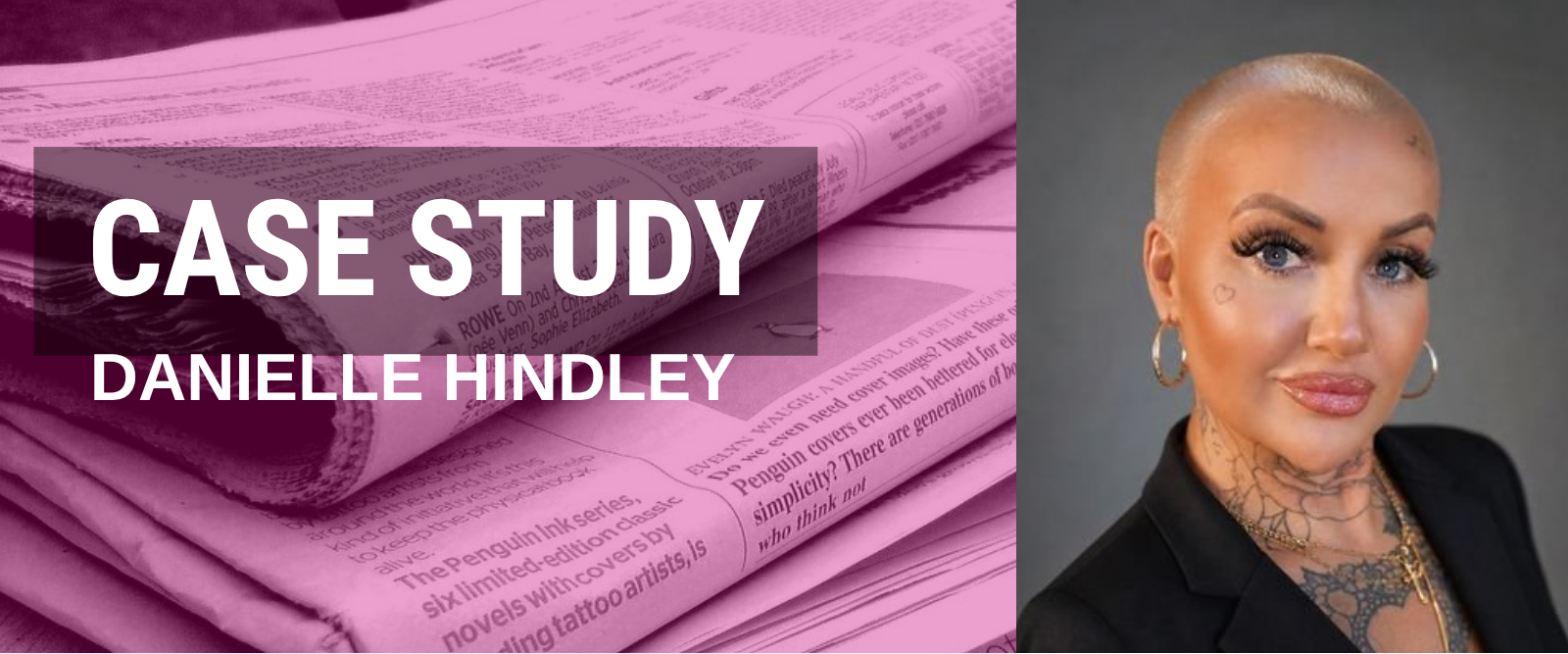
Beautician Danielle Hindley was subject to false allegations from the Mail on Sunday over work conduct, representative of the failures of press self-regulation.
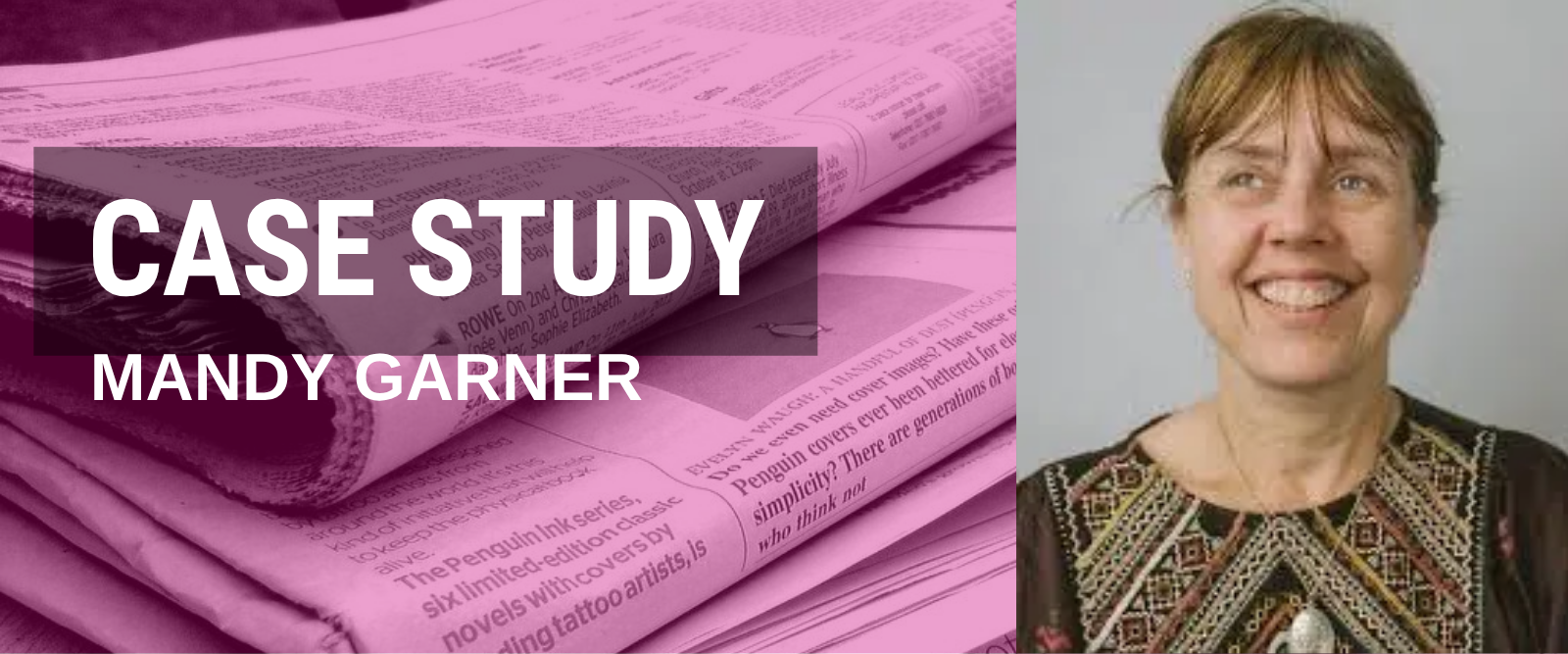
Journalist Mandy Garner was subject to intrusive press coverage following the death of her daughter, highlighting press abuse in moments of grief.
Jacqui Hames was subject to phone hacking by journalists who intercepted private and confidential communications, leading to personal and institutional harm.
.png)