News

News

New revelations reignite the phone-hacking scandal - Nick Davies’s updated exposé publishes ahead of ITV’s David Tennant drama

09/06/2025

Investigative journalist Nick Davies, who first exposed the phone-hacking scandal in the Guardian newspaper, has published an updated edition of his landmark book Hack Attack on 4 September 2025. The new edition features a substantial and revelatory final chapter that brings the story right up to the present day, presenting explosive new evidence of wrongdoing at the heart of Rupert Murdoch’s UK newspaper empire.

First published in 2014, Hack Attack was a Sunday Times bestseller and shortlisted for the Orwell Prize, the Samuel Johnson Prize for Non-Fiction and the Financial Times Business Book of the Year. Davies’s reporting triggered six separate police inquiries, multiple arrests and criminal trials, and the Leveson Inquiry into press culture and ethics.

The new evidence:

In this updated edition, Davies draws on material disclosed during recent High Court litigation to reveal:

  • Systematic political surveillance - court-ordered records show hundreds of suspect calls from a Murdoch corporate “hub” number to senior politicians, including then-Prime Minister Gordon Brown,  raising questions about whether corporate staff as well as journalists were involved in illegal information-gathering.
  • Parliamentary scrutiny compromised - MPs on the Culture, Media and Sport Select Committee investigating phone hacking, including Tom Watson and Paul Farrelly, were themselves subject to waves of  calls from Murdoch numbers during crucial closed sessions and hearings. One MP described this as an attempt to “subvert the democratic process.” Damages were later paid, without admissions of liability.
  • BSkyB bid interference  - during Rupert Murdoch’s  2010–11 takeover attempt, unexplained calls reached Business Secretary Vince Cable and adviser Norman Lamb. Both said they could find no innocent explanation, and both later received substantial settlements.
  • Evidence destruction and concealment - between late 2010 and early 2011, millions of company emails were purged and backup tapes deliberately “scratched”. In July 2011, police discovered a cache of preserved messages hidden in an under-floor safe near the chief executive’s office.
  • Executives at the centre - court pleadings and sworn police statements point to the roles of Rebekah Brooks and Will Lewis in decisions about what evidence to preserve and disclose.  Senior detectives now say they would have treated Lewis as a suspect had this material been available to them at the time.
  • Attacks on critics - new records show efforts to target MPs, and even Davies himself, with covert background investigations designed to find “stunning dirt” in order to discredit those challenging the company.

The new chapter also chronicles how, in January 2025, with Prince Harry and Lord Watson preparing to take the case to trial, News Group Newspapers reached a last-minute settlement of £13.5 million. This avoided a public hearing of the broader allegations, prompting one observer to describe the outcome as “the best justice money can buy.”

Nick Davies said:

“This extraordinary story has produced an extraordinary new chapter, and I think it’s terribly important that we understand what happens in the corridors of power.”

The updated edition of HackAttack appears just weeks before the premiere of ITV’s seven-part drama The Hack, from the team behind Mr Bates vs The Post Office. Starring David Tennant as Nick Davies, the series will air for the first time on 24 September 2025, bringing the scandal’s story to a prime time audience.

Publication details
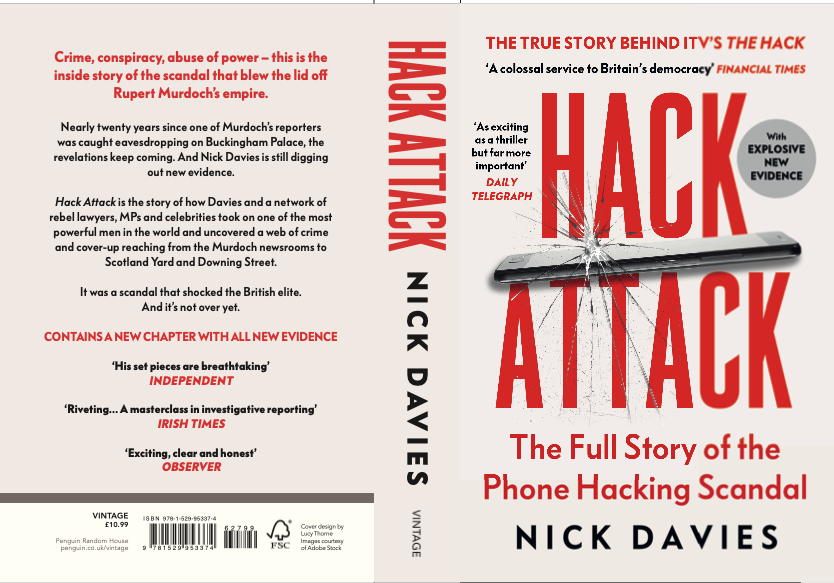
  • Title: Hack Attack: The Full Story of the Phone-Hacking Scandal (Updated Edition)
  • Author: Nick Davies
  • Publisher: Vintage
  • Publication date: 4 September 2025

Download the full report:

Download report

Queries: campaign@hackinginquiry.org

related Posts

When media abuse of academics becomes the norm in HE
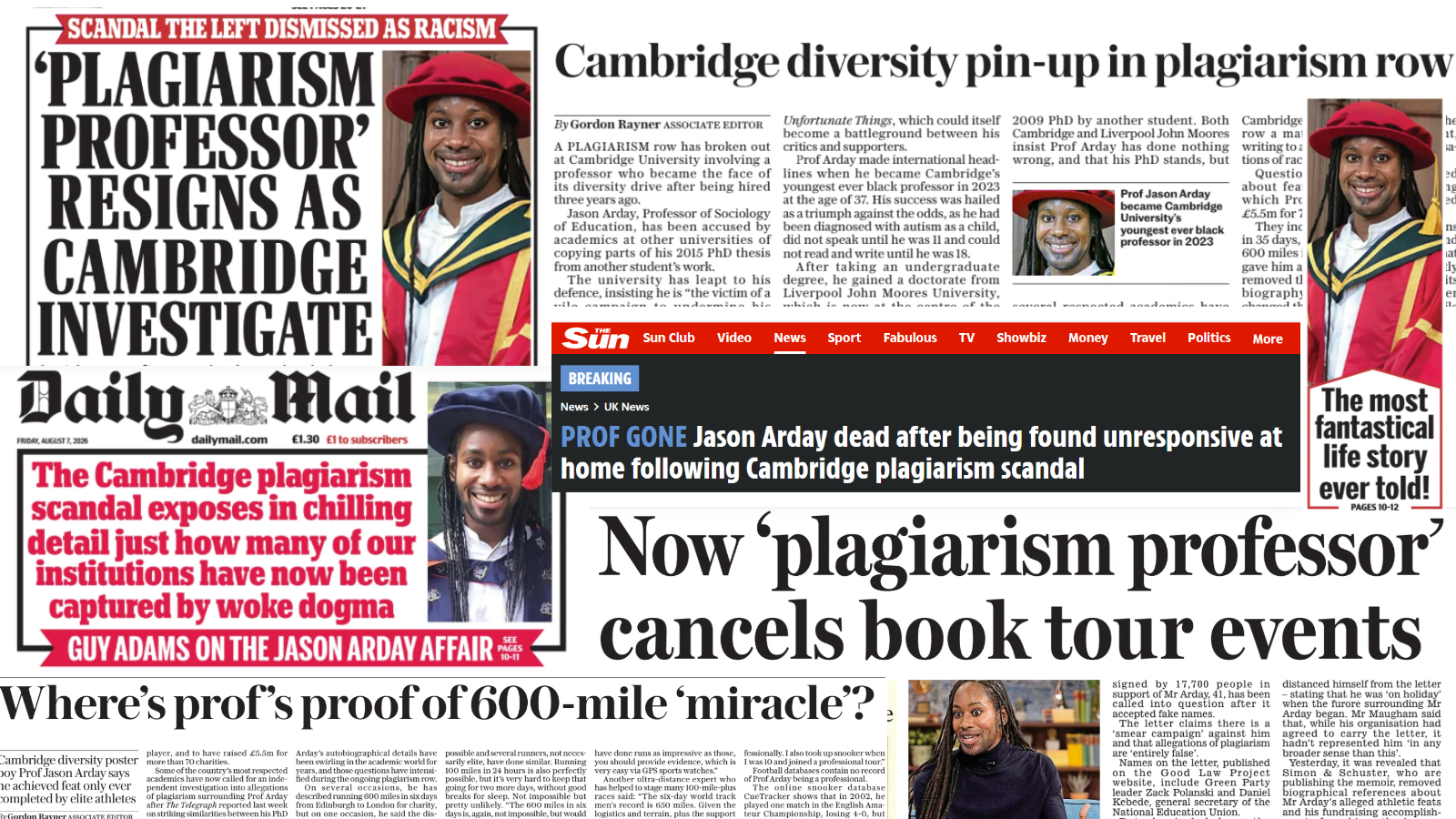
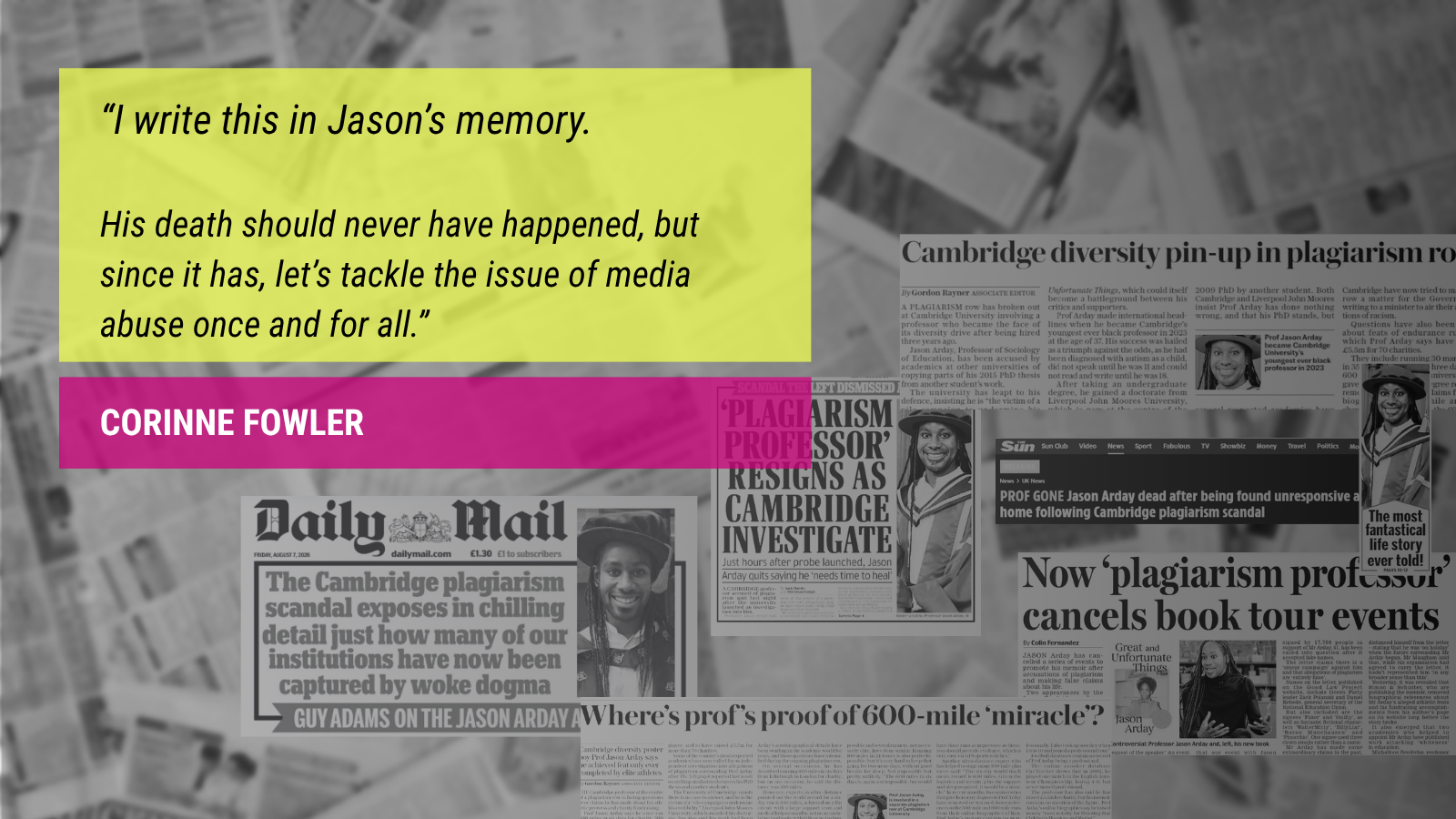
Following the death of Jason Arday, Corinne Fowler writes on the toll of media abuse on academics and what universities must do to protect their staff.
8/19/26
News
Reporting montage
Professor Arday, IPSO, and the press: steps to end the cycle of tragedy
Guest blog: Professor Paul Wragg, Professor of Media Law at the University of Leeds, on why the press hounding of Professor Jason Arday will happen again unless politicians act.
8/16/26
News
IPSO ties itself in knots over Telegraph complaint
Media lawyer Jonathan Coad complained to IPSO about a Telegraph article claiming Hacked Off wants "state control" of the press. IPSO's response contradicted itself within the space of a few paragraphs.
8/14/26
News
The letter the Guardian didn't publish: Tulisa Contostavlos interview
Hacked Off CEO Nathan Sparkes wrote to the Guardian to correct claims about press regulation in its interview with Tulisa Contostavlos. The paper didn't publish it — so we are.
8/12/26
News